
JoyClik Wellbeing BlogEmotional Wellbeing ArticlesEmotional Regulation
Emotional Regulation: What It Is and 7 Gentle Ways to Practise It
When feelings run high, the most helpful next step depends on the moment. Explore seven gentle ways to pause, understand your response, change what you can and repair with care.

Emotional regulation means influencing how you experience and respond to emotions. In everyday life, it can involve noticing a reaction, making room for the feeling and choosing what to do next. Sometimes that means pausing. Sometimes it means asking for help, setting a boundary or returning to a conversation when you have more capacity.
You have managed a demanding day. Then someone asks an ordinary question, a message arrives or one more thing needs your attention - and your response surprises you.
Perhaps you snap. Perhaps you cry. Perhaps you become very quiet and cannot find the words to explain why.
Later, you can think of several things you wish you had said. In the moment, those choices felt much harder to reach.
That gap is where emotional regulation becomes useful. This article explores seven gentle ways to work with it, including how to choose a practice that fits the moment and what to do when the situation itself needs attention.
What emotional regulation looks like in everyday life
Emotional regulation includes the ways we influence which emotions arise, how they unfold and how we express them. Some responses happen automatically; others take deliberate practice. [1]
For example, a friend cancels plans and you feel hurt. You might notice the urge to send a sharp reply, give yourself a little time, then explain that you were looking forward to seeing them.
The hurt does not have to disappear for you to respond differently.
Regulation can also happen before a difficult moment. You might move a sensitive conversation away from the end of an exhausting day, ask for clearer expectations or reduce interruptions while finishing a task.
Emotional regulation and suppression
Suppression - holding back the outward expression of an emotion - is one regulation strategy. Looking composed does not necessarily mean the feeling has eased. [1]
There are times when containing a reaction is useful: during a meeting, while helping someone else or until you have privacy. The question is whether you can return to what you feel when the time is right, rather than repeatedly dismissing it.
A useful intention might be: “I can choose how to express this, and still take it seriously.”
Why do emotions sometimes feel bigger when we are tired or stressed?
A small event can arrive on top of a much larger day. The unanswered message may follow several disappointments. The spilled drink may be one more task when you have had no break.
Sleep matters too. A large review of experimental research found that sleep loss reduced positive emotions and increased anxiety symptoms, while other emotional effects varied. Feeling depleted can involve irritability or worry, but also feeling less engaged or emotionally flat. [2]
Before deciding that you are “too emotional”, consider the conditions around the moment. Have you slept poorly? Missed a meal? Been dealing with noise, uncertainty, pain or repeated demands? Have you had any support?
These questions offer context. They do not erase responsibility for how you treat someone, or mean every difficult emotion can be explained by tiredness.
They may reveal a more useful next step. A conversation might need time and attention. An overloaded afternoon might need fewer demands. Both can be true.
A counsellor’s approach to choosing where to begin
Before asking “Which technique should I use?”, ask: “What is making this moment difficult?”
Research on regulatory flexibility emphasises context, having more than one way to respond and noticing whether a strategy is helping. It challenges the idea that one approach is best in every situation. [3]
The following is a practical way to apply that idea. It is a starting point for reflection, rather than a diagnostic tool or fixed sequence.
| What you notice | A possible place to begin |
|---|---|
| You are too wound up to think clearly | Pause the reply or decision, and attend to your surroundings. |
| You can think, but keep reaching the same upsetting conclusion | Separate what happened from what you are assuming. |
| The same demands keep pushing you past your limits | Consider what needs to change, be shared or receive support. |
| The moment has passed, but you feel regret or confusion | Reflect briefly, and repair anything that needs attention. |
For example, imagine an evening message asking you to take on another task. A pause may help you avoid replying in anger. Checking the deadline may clarify whether it is urgent. Saying “I can do this tomorrow if we move the other task” addresses the workload.
Each response serves a different purpose. You may need more than one of them.
Seven gentle ways to practise emotional regulation
These practices are a menu. Choose one that seems manageable, and adjust if it does not help. You do not need to begin with number one or complete all seven.
1. Notice your first sign of strain
Your earliest sign may be a clenched jaw, faster speech or rereading the same sentence. It might be an urge to leave, a clipped answer or suddenly finding every small request irritating.
Choose one familiar signal to notice. You do not need to monitor yourself all day.
Try asking: “What changes just before things become harder for me?”
In the evening-message example, it might be the moment you start typing a reply before reading the whole request. Noticing that gives you an opportunity to put the phone down before sending.
If paying attention to your body feels uncomfortable, notice behaviour instead: your pace, tone of voice or difficulty following a conversation. Body sensations are clues, not proof of a particular emotion.
2. Create a pause that fits the situation
A pause can be small: leaving a message unsent, taking a sip of water or saying you need a moment before answering.
You could notice the contact of your feet with the floor or look around and name a few objects you can see. If breathing feels comfortable, allow an easy, unforced breath. If focusing on it makes you more uncomfortable, use your surroundings instead.
For a conversation, make the pause clear and, where possible, agree when to return:
“I want to talk about this. I’m struggling to listen properly right now. Could we come back to it after dinner?”
At work, it could be: “Let me check what is realistic before I commit.”
You are creating a little room to choose your response. There is no requirement to feel completely calm before continuing.
3. Find a word that is close enough
“Bad” and “stressed” can describe many experiences. Try a more specific word if one comes readily: disappointed, worried, embarrassed, lonely, frustrated or uncertain.
You may notice more than one feeling. You can be pleased for someone and disappointed for yourself. You can love your family and feel overwhelmed by what they need.
Try: “I think I feel ___, and there may also be some ___.”
In our example, “angry” might sit alongside “worried about letting someone down”. That gives you something more specific to consider before agreeing to extra work.
If no word fits, “Something feels difficult and I’m not sure what yet” is enough. Our Emotional Awareness guide offers a starting point for noticing and naming feelings.
4. Respond to yourself with useful support
Once you notice a feeling, listen for the commentary around it. “Why am I like this?” may leave you with the original difficulty plus a new argument with yourself.
Try a sentence that acknowledges the situation and leaves room for action:
“This has been a demanding day. I can decide what I’m able to take on.”
“I’m disappointed. I can give myself a moment before replying.”
“I spoke sharply. I can take responsibility for that.”
Then ask: “What would be helpful in the next few minutes?” Perhaps it is quiet, food, a clearer explanation or someone willing to listen. You may not be able to meet the whole need immediately; look for one realistic piece of support.
5. Separate what happened from what you are adding
When you have enough space to think, distinguish the event from your interpretation of it.
What happened: a friend has not replied today.
What you are adding: “They are tired of me.”
What is still unknown: why they have not replied.
Try asking: “What do I know, what am I guessing, and is there something I need to clarify?”
You do not have to replace an upsetting thought with a cheerful one. “I don’t know yet” may be the most accurate response.
If someone has repeatedly dismissed you or crossed a boundary, include that history. Looking at another interpretation should never require you to overlook clear evidence or explain away harmful behaviour.
6. Change one part of the load
Sometimes you have understood the emotion accurately. The demands really are too much, the expectation is unclear or something important keeps being overlooked.
Consider what is within reach to change. Could you postpone a non-urgent task, ask someone to take ownership of a responsibility, clarify a deadline or reduce one source of interruption?
For the evening request, that might sound like:
“I can take this on tomorrow, but I can’t complete both tasks by lunchtime. Which is the priority?”
At home, it might be: “Could you take responsibility for dinner tonight, including deciding what we need?”
Not every situation is changeable, and asking does not guarantee support. If your options are limited, consider who could help you think them through. Emotional regulation should leave room for recognising unfair conditions and seeking change.
7. Reflect briefly and repair where needed
When the moment has passed, choose one part worth understanding. You could write a few lines or talk it through with someone you trust:
- What happened, without judging myself or the other person?
- What was I feeling, and what was adding to the strain?
- What helped even a little?
- Is there one thing to repair or change next time?
For example: “I was already exhausted when the request arrived. I read it as an expectation, though I hadn’t checked. Waiting before replying helped. Next time I can ask about the deadline first.”
If you snapped at someone, an apology can be direct: “I was frustrated and I spoke sharply. I’m sorry. I’d like to explain what I need without taking it out on you.”
Then close the reflection. If you keep replaying the same scene without gaining clarity, pause the exercise or seek support. You do not need to analyse every emotion or revisit painful experiences alone.
A little more structure for your reflection
Knowing that you want to reflect does not always make it easy to begin. A blank page can leave you searching for the right words - or retelling the event without knowing where to go next.
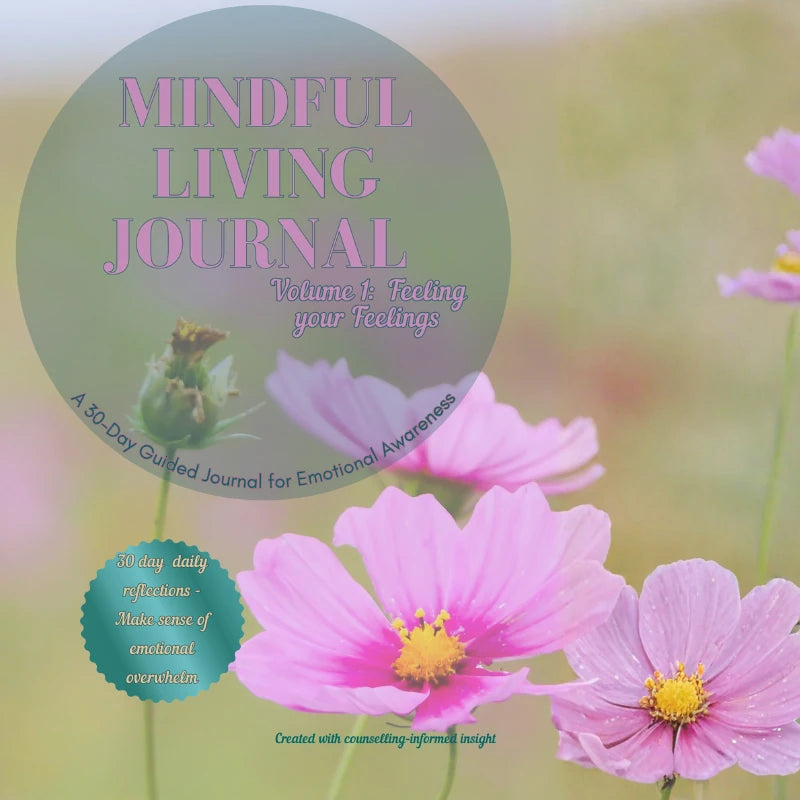
The Mindful Living Journal offers feelings pages, guided prompts and a 30-day tracker to support emotional awareness and reflection. It gives you a place to explore what you noticed and return to patterns over time, at a pace that suits you.
Choose a prompt that fits the day and leave the rest for another time. The journal is a guided digital resource for personal reflection, rather than treatment or a requirement for practising these skills.
Explore the Mindful Living Journal.
What progress can look like
Progress may be easier to see in what you do than in how quickly the feeling disappears. You might notice strain before agreeing to something, send a clearer reply, ask for support earlier or return to apologise after an uncomfortable conversation.
You may still cry while explaining what matters. You may still feel anxious when setting a reasonable boundary. Look for whether you had a little more choice, communicated more clearly or followed through on something helpful.
On a day with very little capacity, one useful action may be enough to work with.
When extra support may help
Consider speaking with a qualified counsellor, psychologist or healthcare professional if emotional reactions regularly disrupt your relationships, work, sleep or daily life, or if you often feel overwhelmed, numb or unable to manage safely.
You do not have to try every self-help approach first. Individual support can help you understand what is happening and find approaches suited to your circumstances. If there is immediate danger or you cannot keep yourself or someone else safe, contact your local emergency service.
Practical takeaways
- Choose a practice that fits the moment; pausing, checking an interpretation and changing a demand serve different purposes.
- A feeling can remain present while you choose a more helpful response.
- Notice the conditions around a reaction, including tiredness, competing demands and available support.
- Reflection can be brief. Finish with one useful observation or action.
- Asking for help, setting a boundary and repairing a conversation are meaningful forms of progress.

A gentle responsible-use note: This article offers general educational information and is not a substitute for personalised mental health or medical care. Choose practices that feel manageable and seek qualified support when you need it. Please read JoyClik’s Professional & Medical Disclaimer.
Frequently asked questions
Can I practise emotional regulation while I am still upset?
Yes. You may still feel hurt, angry or anxious while choosing to pause, speak more carefully or ask for support. The feeling does not have to end before you take a helpful next step.
What can I do when I am too overwhelmed to think clearly?
If it is safe, pause a non-urgent reply or decision. Try noticing your surroundings or asking someone you trust for support. Leave detailed reflection until you have more space. If you cannot manage safely, seek immediate help.
Does crying mean I am not regulating my emotions?
Crying alone does not tell you whether you are regulating well or poorly. Consider what else is happening: can you communicate a need, accept support or take a next step? You can be tearful and still make choices that help you.
What if a calming technique does not help?
You can stop or choose something else. A technique may not suit you, the moment or the difficulty you face. Consider whether you need practical help, a change in circumstances or personalised professional support.
Can journaling help with emotional regulation?
Journaling can offer a place to organise your observations and consider a next step. It is optional, and does not help everyone in every moment. Keep reflection brief if that suits you, and pause if it becomes repetitive or increases distress.
Keep exploring the Emotional Wellbeing pathway
Topic: Emotional Regulation
- Emotional Wellbeing Articles - more counselling-informed perspectives on everyday emotional life.
- Emotional Wellbeing Guide - explore the wider picture of feelings, stress, connection and personal balance.
- Emotional Awareness - a starting point for finding words for your experience.
- Can AI Help With My Emotions? What a Counsellor Wants You to Know - understand the possibilities and limits of using a chatbot for reflection.
- Wellness Knowledge Hub - explore all four JoyClik™ wellbeing pillars.
The supporting guide and Mindful Living Journal shown below offer further help with emotional understanding and guided reflection.
References and further reading
- Gross, J. J. (1998). Antecedent- and response-focused emotion regulation: Divergent consequences for experience, expression, and physiology. Journal of Personality and Social Psychology, 74(1), 224–237. Read the study.
- Palmer, C. A., et al. (2024). Sleep loss and emotion: A systematic review and meta-analysis of over 50 years of experimental research. Psychological Bulletin, 150(4), 440–463. Read the review.
- Bonanno, G. A., & Burton, C. L. (2013). Regulatory flexibility: An individual differences perspective on coping and emotion regulation. Perspectives on Psychological Science, 8(6), 591–612. Read the review.
Further practical reading: World Health Organization (2020). Doing What Matters in Times of Stress: An Illustrated Guide.

Emotional Wellbeing ArticlesAI, Reflection & Emotional Support
Can AI Help With My Emotions? What a Counsellor Wants You to Know
Read article
Stress & Life Balance ArticlesMental Load & Energy
The Mental Load at Home: Why Remembering Everything Is So Exhausting - and How to Share It
Read article
Stress & Life Balance ArticlesMindful Daily Habits